
Sports Sponsorship Activation Ideas: Connect Social Content, Matchday and Sales
Connect social content, venue branding and live experiences to a clear objective. Plan owners, costs and evidence with an editable activation worksheet.
By Sponsero editorial · Published 29 September 2026
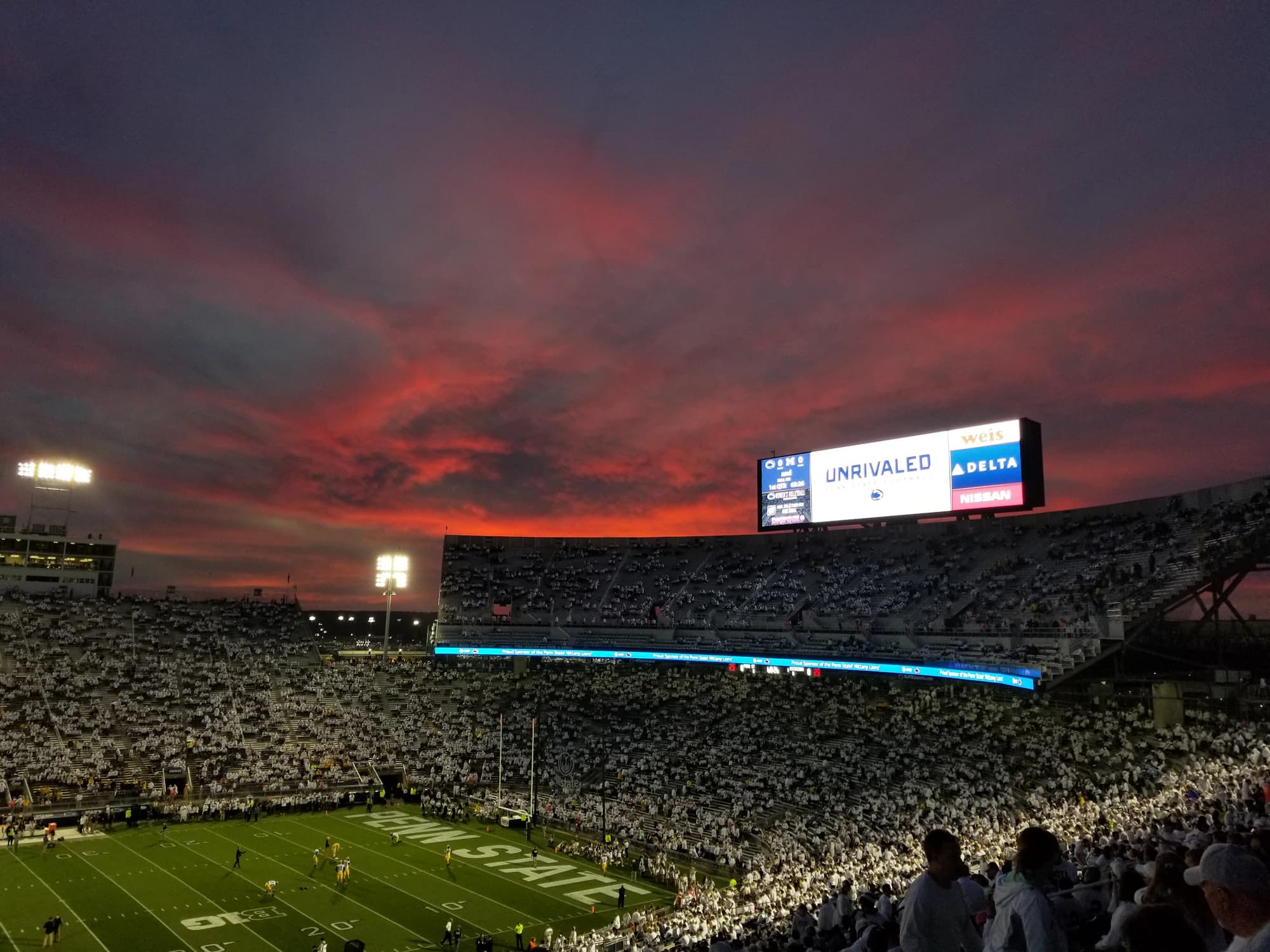
A sponsorship activation is the activity that turns purchased rights into an audience experience or response. Connect venue branding, social content and live experiences to one objective, then give the audience a clear next step. A logo placement provides exposure; the activation explains why someone should care or act.
The workbook’s Activation sheet maps activity, owner, timing, cost and evidence. The examples below are planning concepts, not campaign results or inventory currently available to book.
Start with one audience and one job
Choose the intended audience and the action or change you want to encourage. For a local retailer, this might be a trial visit. For an employer, it might be interest in local opportunities. For a business brand, it might be a relevant customer conversation at a hosted event.
Use the audience-fit scorecard before choosing a property. Then check the rights: venue access, player participation, content production, paid usage and data collection may need separate approvals. An activation plan should only include what the parties can deliver.
Six ideas that connect the rights to an objective
| Activation | Audience benefit | Practical next step | Evidence |
|---|---|---|---|
| Matchday skills session | Learn or practise a skill | Register for a future session | Attendance and eligible registrations |
| Athlete-led product demonstration | Understand how a product is used | Visit a tagged product page | Qualified visits and downstream actions |
| Community participation programme | Take part in a useful local activity | Join the next event | Participation and feedback |
| Hosted customer experience | Spend time with peers and the sponsor | Book a relevant follow-up | Attendance and qualified conversations |
| Venue trial or sampling | Try a relevant product | Redeem a clearly scoped offer | Trials, redemptions and limitations |
| Behind-the-scenes content series | Access a story fans value | Watch, subscribe or explore a related offer | Content completion and destination activity |
These are possible formats, not equally suitable choices. Sampling might work for a relevant consumer product while being a poor fit for a complex business service. Adapt the activity to the audience and operational constraints.
A simple before, during and after plan
Imagine a fictional retailer partnering with a local football club for a community skills day. Before the event, publish one clear invitation with the date, audience and booking information. Give the club and sponsor a shared approval deadline.
During the event, place branding where it belongs in the experience and deliver the promised activity. Assign responsibility for registration, staffing, permitted photography and participant support. Avoid adding a QR code merely because there is spare space: it should lead to something useful and readable on a phone.
After the event, share a useful recap and offer a relevant next step to people who have appropriately opted in. Report attendance using a documented method. Keep social impressions separate from in-person attendance; adding them together does not produce a count of unique people.
Give social content a clear role
Social media can announce, explain, document or extend an activation. Choose one job per post. Agree the format, quantity, account, publishing window, review process and permitted usage. A sponsor should know whether it can reuse a video, run paid advertising with it or only link to the original post.
Plan the audience journey across surfaces. A short video might explain the activity, a club page hold the details and a registration form capture the response. Test the entire route on mobile before launch, including the confirmation page. Broken links and unclear instructions can waste an otherwise strong partnership.
Budget for making the rights work
The rights fee is one part of the campaign. Include creative work, installation, staffing, paid distribution and measurement where relevant. Assign each cost once so neither party assumes the other is paying. Use the pricing guide to separate the rights from activation delivery.
The activation planner should name an owner and evidence for every commitment. Record what happens if a player is unavailable, a fixture moves or an asset misses approval. A feasible plan with clear responsibilities is more valuable than a long list of ideas nobody owns.
Measure the outcome you intended
Use delivery evidence to confirm the agreement was fulfilled. Use audience and business data to assess the result. A customer experience may generate qualified conversations over months; a retail offer may have a shorter response window. Do not report open pipeline as revenue or substitute impressions for financial ROI.
Sponsero for brands, clubs and event organizers helps connect relevant partners with defined offers and delivery expectations. Start the conversation with your audience, objective and available rights so the activation has a clear purpose.
Frequently asked questions
What is a sponsorship activation?
An activation is the activity that turns sponsorship rights into an audience experience or response. It connects an objective, usable rights, delivery responsibilities and a measurable next step.
Sources
- Sponsero editorial: original planning frameworks. Worked figures and example organizations are illustrative, not market benchmarks or customer results.